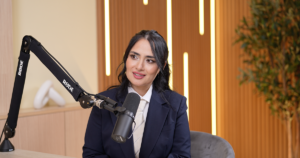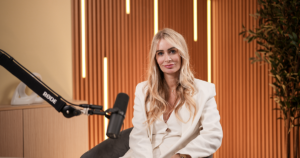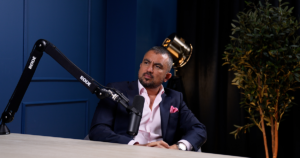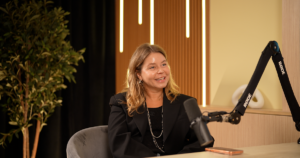
Solo episodes and one-on-one interviews get most of the attention in podcasting advice, but panel formats three or four people in conversation are where a lot of the most engaging podcast content actually comes from. They’re also where recordings most commonly go wrong: crosstalk, uneven airtime, and audio that’s a mess to edit. Here’s how to run one that actually works.
Why Panels Are Worth the Extra Planning
A panel format brings something a solo or 1-on-1 episode can’t: disagreement, banter, and multiple perspectives on the same question. For topics where there’s genuine debate market predictions, industry trends, differing professional opinions a panel makes for a far more dynamic listen than a single voice explaining their view uncontested.
The trade-off is that panels are harder to run well. More voices means more chances for people to talk over each other, more variation in mic technique, and more risk that one confident guest dominates while the other two barely speak.
Before the Recording: Structure Beats Improvisation
The panels that sound effortless are almost never fully improvised. A few planning steps make the difference:
- Assign a clear moderator — usually the host whose job is explicitly to direct questions, redirect if one guest dominates, and keep time. Without this role assigned, panels default to whoever talks fastest.
- Prepare 5–7 core questions, not a rigid script — enough structure to keep momentum, loose enough to let a genuinely good tangent breathe.
- Brief guests on turn-taking beforehand — a 5-minute pre-call reminder to let people finish thoughts before jumping in saves significant editing time later.
- Know each guest’s expertise going in — so the moderator can direct specific questions to the right person rather than throwing everything open to all three at once
During the Recording: What Actually Prevents Chaos
Even with good prep, live conversation with 3–4 people needs some in-room management:
- Physical seating matters — arranging guests so they can see each other (not in a straight line facing only the camera) makes natural turn-taking easier.
- Individual mics for every guest — shared or boundary mics make it far harder to isolate and clean up crosstalk in the edit; each person needs their own dedicated mic
- A visual cue system — something as simple as the moderator raising a hand can signal “wrap up” without interrupting on mic
Where the Studio Setup Matters Most
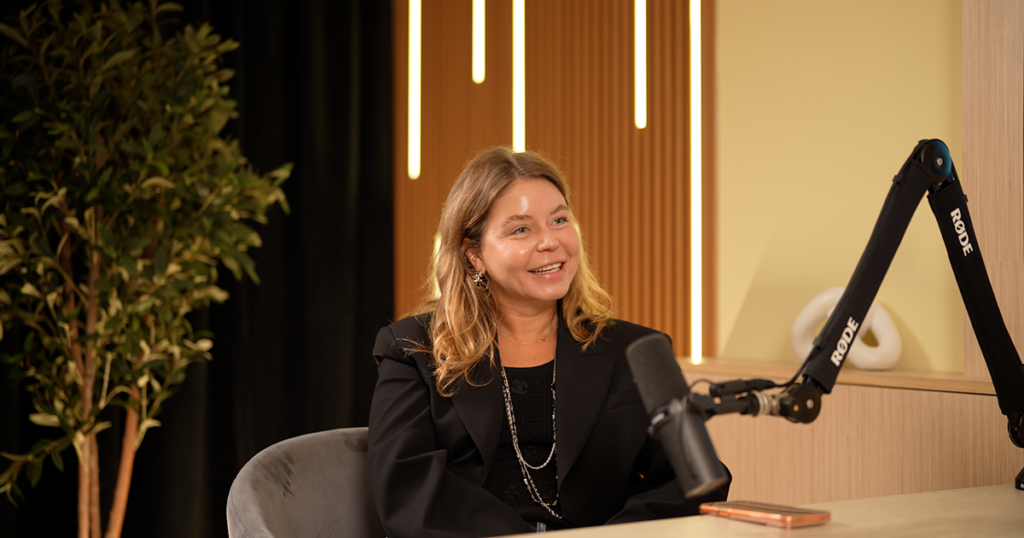
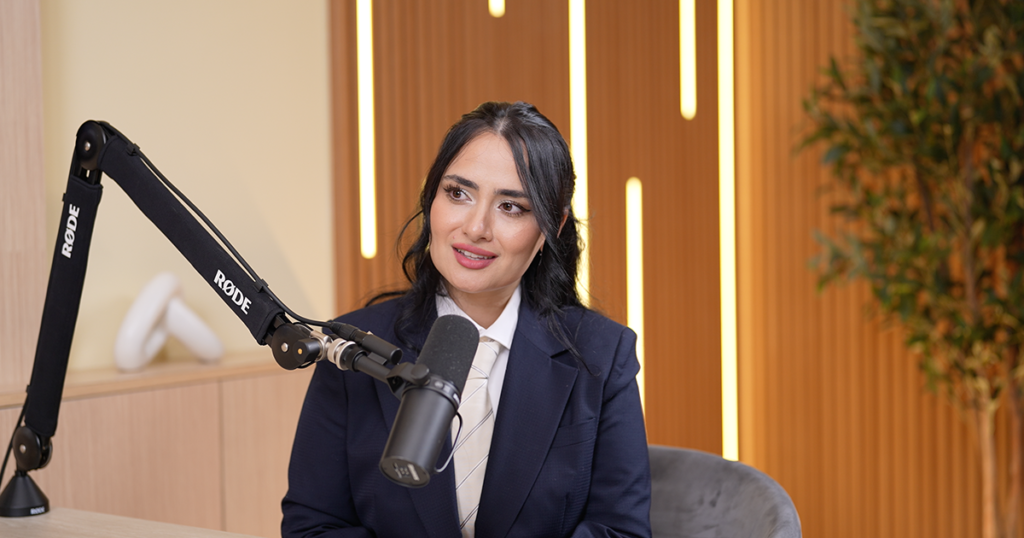
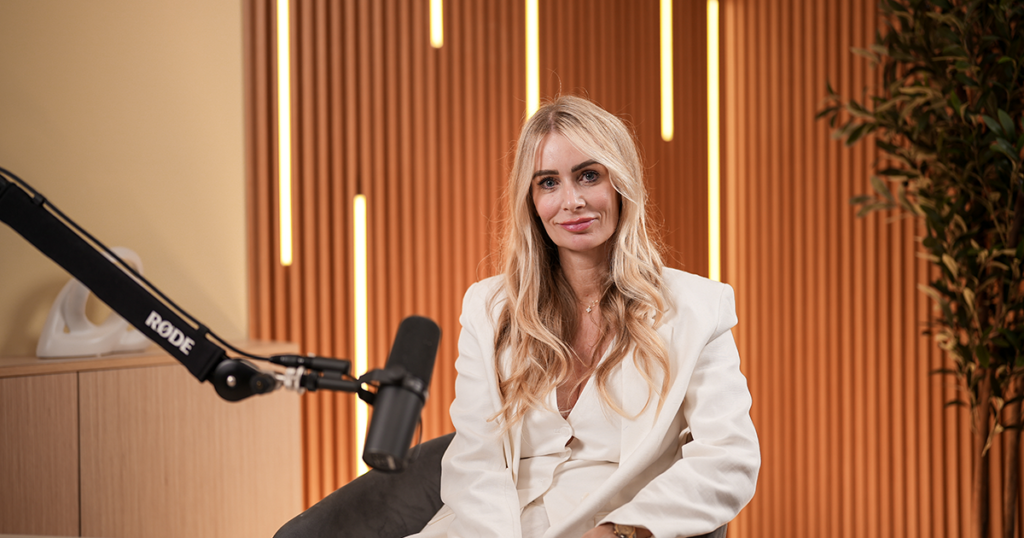
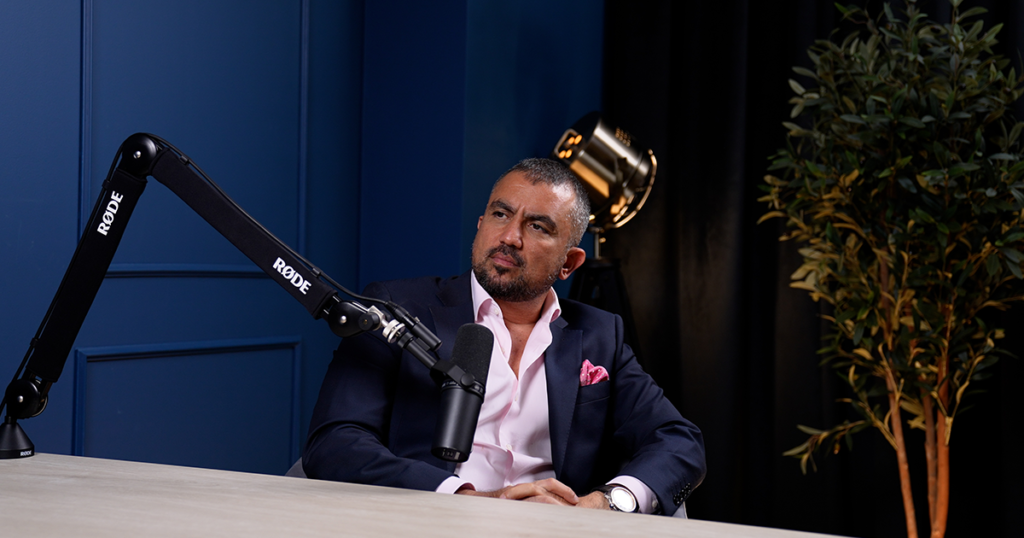
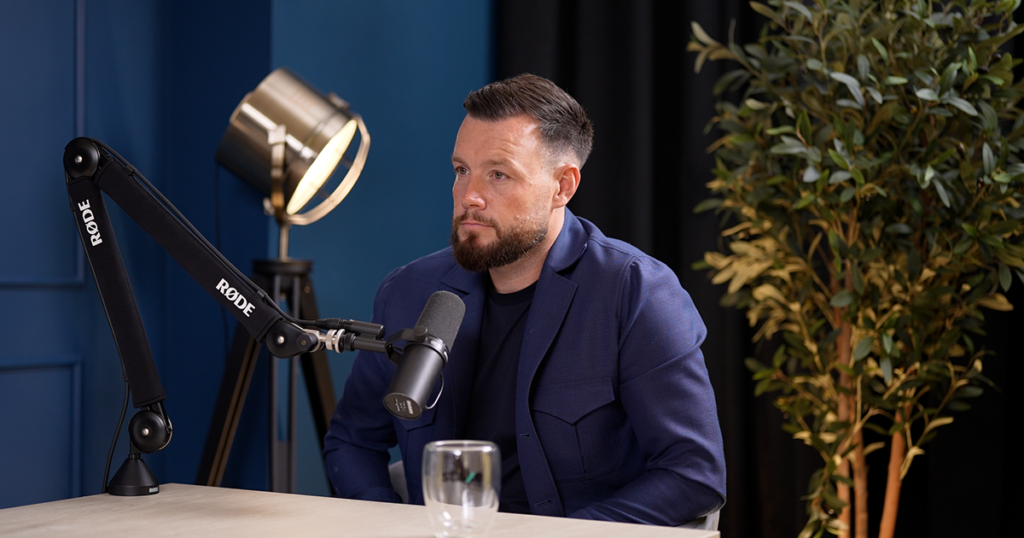
Panel recordings put more demand on a studio than solo or 1-on-1 sessions: more mics to manage, more camera angles to keep everyone properly framed, and more audio channels to balance in real time. This is where having a dedicated studio operator rather than a self-managed home setup makes the biggest practical difference. At Gulf Podcast Studios, the room comfortably supports up to four guests with individual mic setups, and the operator manages audio levels and camera framing throughout, so the moderator can focus entirely on running the conversation.
Editing Considerations for Panels
Panel episodes typically need more editing time than solo or 1-on-1 formats, trimming crosstalk, balancing volume between quieter and louder guests, and sometimes restructuring the order of the conversation for pacing. Budgeting for this in advance (either your own time or a studio’s editing add-on) prevents a great recording from sitting unpublished for weeks because the edit felt overwhelming.
Is a Panel Right for Your Next Episode?
Panels work best for debate-style topics, roundup/roundtable formats and any subject where hearing multiple perspectives adds more value than a single deep-dive voice. For narrative storytelling or a single expert’s detailed explanation, solo or 1-on-1 formats usually still work better.
Planning a panel recording? Book a session at Gulf Podcast Studios; the room and equipment are set up for up to four guests, with an operator managing the technical side throughout.