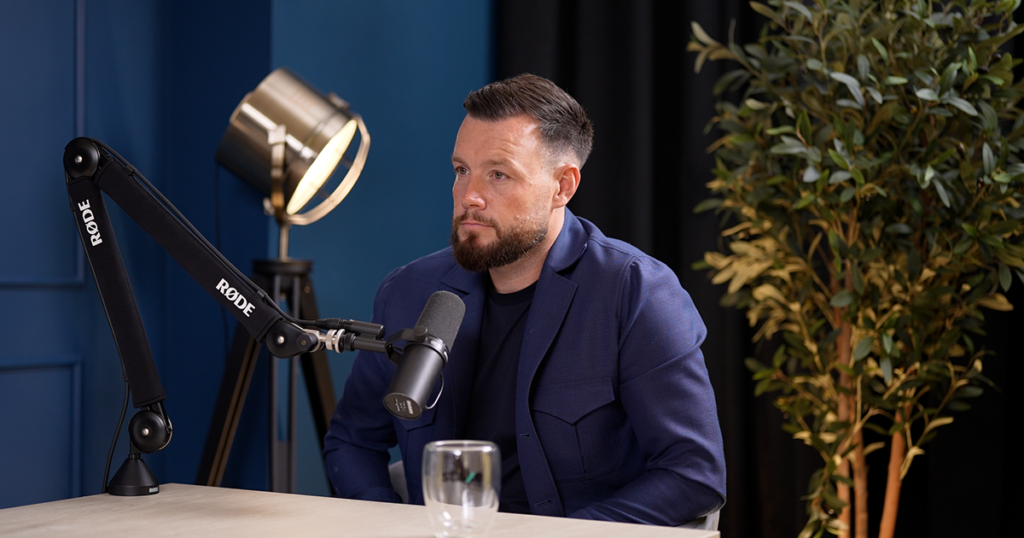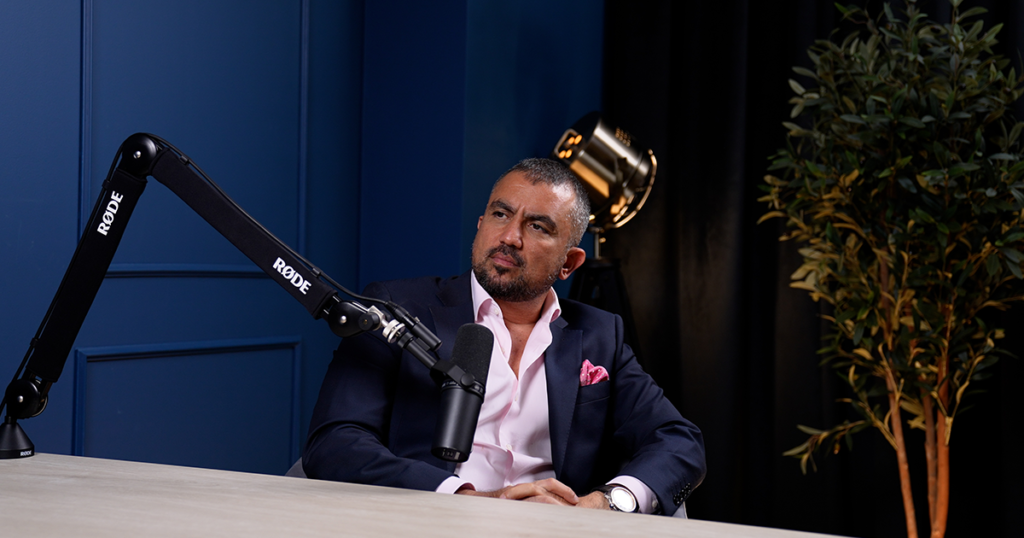
Most podcast content in Dubai comes from individual creators and influencers, but a growing number of companies are recording their own branded series, using it for everything from thought leadership to internal culture-building. If you’re a marketing lead or founder considering this for your company, here’s what actually goes into launching one properly.
Step 1: Decide What the Podcast Is Actually For
Before booking a single session, get clear on the goal, because it changes every decision after it:
- External thought leadership — positioning leadership as experts in your industry, aimed at clients, partners, or press
- Internal communications — a recurring format for leadership updates, team spotlights
- or culture content, distributed only within the company
- Recruitment and employer branding — showcasing team culture and leadership to attract talent
- Client-facing relationship building — interviewing clients or partners as a way of deepening the relationship while creating content
A podcast built for internal comms looks completely different from one built for external thought leadership: different length, different tone, different distribution plan.
Step 2: Pick a Format That Survives Contact With Busy Executives
The single biggest reason branded podcasts aren’t bad content is that the format assumes more time from leadership than they actually have. A monthly 20-minute executive interview is far more sustainable than a weekly hour-long show that depends on a CEO’s calendar.
Formats that tend to hold up over a full year:
- Leadership Q&A — short, recurring episodes where answers a handful of questions on a specific topic
- Client or partner spotlight — interview-style episodes that double as relationship-building
- Rotating host format — different team members hosting different episodes, so the whole show doesn’t depend on one person’s schedule.
Step 3: Batch-Record to Protect the Schedule
The companies that keep a branded podcast running consistently almost always batch-record 3–4 episodes in a single studio day rather than scheduling separate sessions for each one. This is the single most effective way to prevent a promising series from quietly dying after episode 3, which is the most common failure point for corporate podcasts.
Step 4: Plan Distribution Before You Record, Not After
Decide upfront whether episodes go on public platforms (Spotify, Apple Podcasts, YouTube), stay internal (an intranet or internal Slack/Teams channel), or both. This affects how you brief guests, what you can and can’t say on record and what release schedule makes sense.
Step 5: Choose a Studio That Understands Corporate Production Needs
A branded company podcast has different requirements than a solo creator session, usually more guests, tighter scheduling around executive availability and a higher bar for how polished the final product needs to look, since it’s representing the company brand rather than a personal one. A studio with a dedicated operator managing audio, lighting and camera setup removes the need for your team to manage production logistics on top of everything else involved in running the series.
Getting Started
The easiest way to launch is not to plan a full year of episodes upfront; it’s to batch-record a pilot season of 3–4 episodes, see how the format lands internally or externally, and adjust before committing further.
Gulf Podcast Studios works with brand teams recording executive interviews, internal comms content and branded series. Get in touch or book a session to plan your pilot batch.