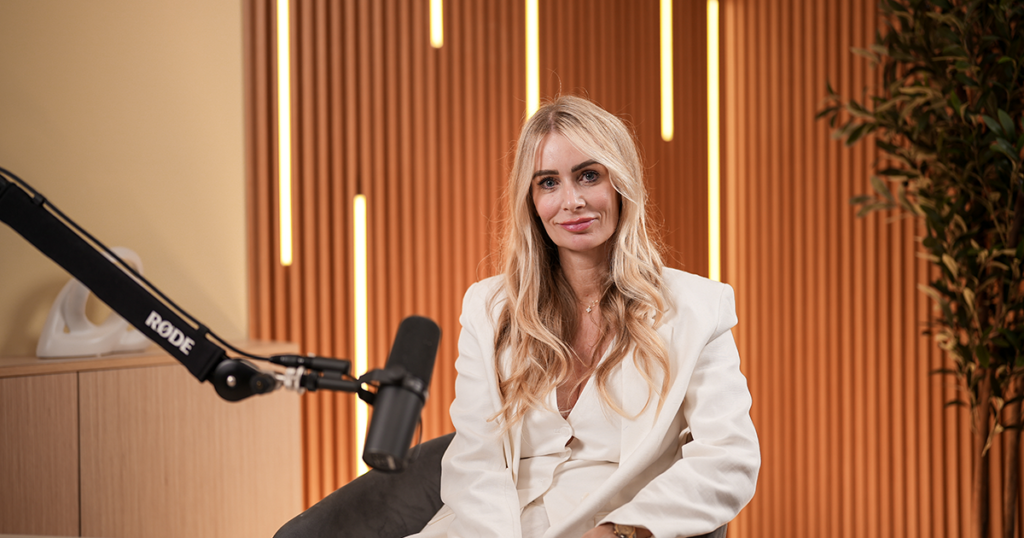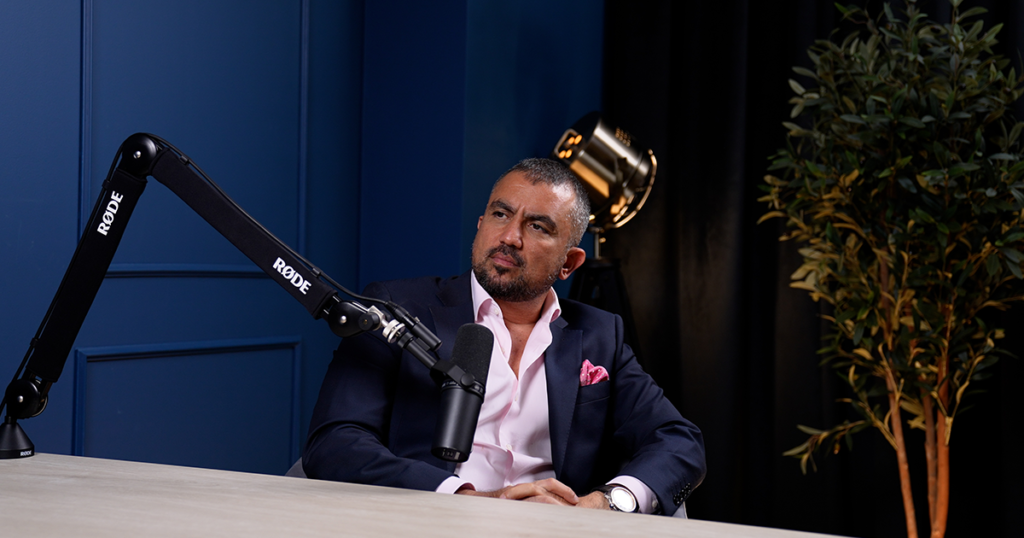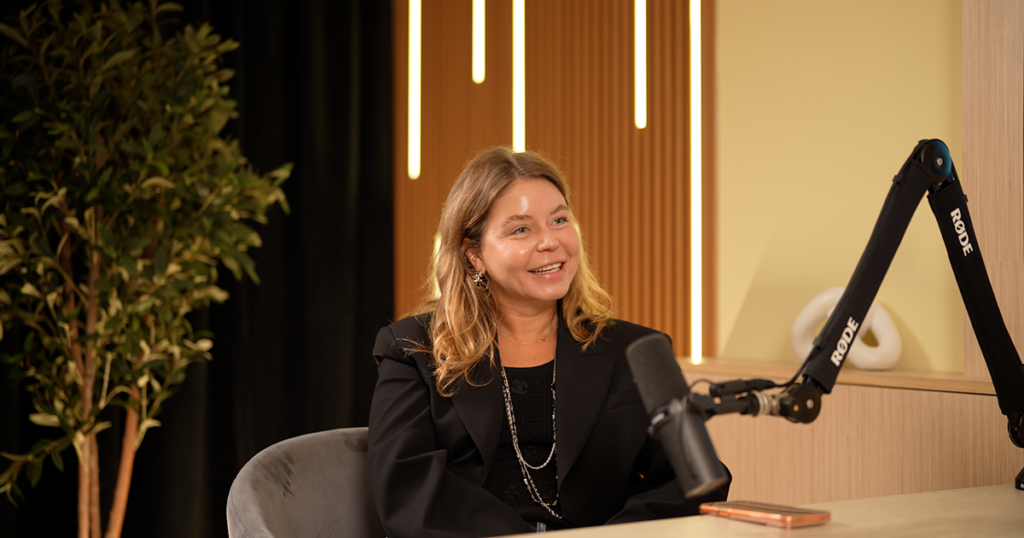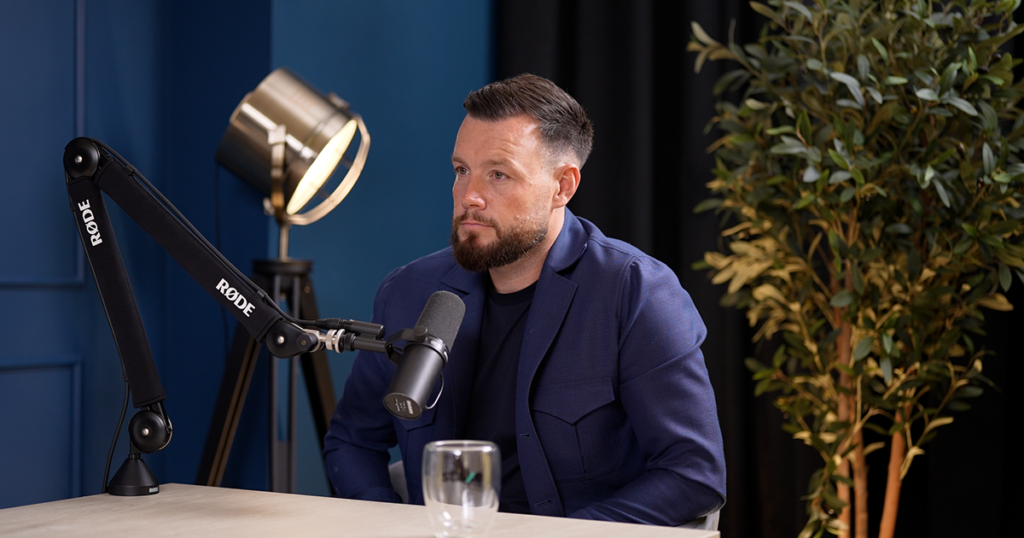
Interview podcasts generally grow faster in the early stages because each guest brings their own audience to the show. In contrast, solo podcasts grow more slowly but build a deeper, more loyal connection to a single host’s personal brand. In the UAE’s fast-moving, relationship-driven business culture, interview shows tend to win on discovery speed, while solo shows win on long-term authority and trust. Many of the strongest-performing shows eventually blend both formats.
Why This Decision Matters Before You Record a Single Episode
Choosing a format isn’t just a creative preference; it determines how much production planning is needed, how the show gets marketed, and, realistically, how fast it can grow. Switching formats later is possible, but it resets audience expectations and can slow momentum. Getting this right from episode one saves months of trial and error.
The Case for Interview Podcasts
1. Built-In Audience Growth
Every guest who appears on the show is likely to share the episode with their own network, their followers, their email list, and their LinkedIn connections. In the UAE, where personal and professional networks are tightly connected across industries like real estate, finance, and hospitality, this guest-sharing effect can meaningfully accelerate growth in a way solo content can’t replicate on its own.
2. Content Variety Without Extra Effort
Different guests naturally bring different topics, stories, and perspectives, which keeps the show fresh without the host needing to generate every idea themselves. This is particularly valuable for hosts who don’t have unlimited original content to share episode after episode.
3. Networking and Business Development
For entrepreneurs and business leaders, an interview podcast doubles as a legitimate reason to have high-value conversations with potential partners, clients, or collaborators. The podcast becomes both content and relationship-building in one motion.
4. Lower Pressure on the Host to “Perform” Alone
A conversational format takes pressure off the host to fill 30–45 minutes solo. Interviews create natural back-and-forth energy that’s often easier to sustain than a monologue.
The Trade-Offs of Interview Podcasts
- Scheduling dependency. Growth is partly tied to guest availability and quality a run of weak or hard-to-book guests can stall momentum.
- Inconsistent production quality. Guest audio, camera presence, and preparation vary episode to episode unless carefully managed.
- Diluted personal brand. The host’s own expertise and personality can get overshadowed if guests dominate the conversation.
The Case for Solo Podcasts
1. Stronger Personal brand Building
A solo show puts the host’s expertise, opinions, and voice front and center every episode. Over time, this builds a much stronger, more specific personal brand than an interview show can help listeners come to know exactly what the host stands for.
2. Complete Creative and Scheduling Control
No guest coordination, no dependency on someone else’s availability or performance. Episodes can be planned, recorded, and published entirely on the host’s timeline.
3. Deeper Listener Loyalty
Listeners of solo shows often develop a stronger one-to-one relationship with the host, since every episode reinforces the same voice and perspective. This tends to translate into higher trust for coaches, consultants, and personal brands selling their own expertise or services.
4. Easier to Repurpose Into Other Content
A solo host’s insights can be more easily broken down into standalone social posts, articles, or lead magnets, since the content doesn’t depend on a second voice for context.
The Trade-Offs of Solo Podcasts
- Slower initial growth. Without guests bringing in outside audiences, growth relies entirely on the host’s existing reach and marketing effort.
- Higher content demand on the host. Generating fresh, valuable solo content episode after episode is more demanding than curating conversations with others.
- Requires strong on-camera or on-mic presence. A solo format leaves nowhere to hide — the host’s delivery carries the entire episode.
What Works Best in the UAE Market Specifically
The UAE’s business culture is highly relationship-oriented, and podcasting reflects that. Interview-style shows tend to perform particularly well for:
- Real estate professionals interviewing developers, investors, and market experts
- Finance and investment creators hosting conversations with industry leaders
- Coaches and consultants interview clients or complementary experts to build credibility by association.
Solo shows tend to perform well for:
- Founders and executives building a recognizable personal brand tied to their company
- Educators and coaches are establishing themselves as the go-to expert in a specific niche
- Niche experts with a clearly defined point of view that doesn’t need external validation from guests
The Hybrid Approach Many Successful Shows Use
Rather than choosing one format permanently, many growing shows alternate a solo episode establishing the host’s perspective, followed by an interview episode that broadens reach and brings in a new audience. This keeps the personal brand strong while still benefiting from the discovery boost that guests provide.
FAQ
Which format is easier for a first-time podcaster to start with?
Interview podcasts are often easier to sustain long-term since guests provide built-in content and energy, but they require more logistical coordination. Solo shows demand stronger content planning but offer more control.
Do interview podcasts really grow faster in practice?
In most cases, yes, particularly in the first six to twelve months, since guest-driven sharing accelerates discovery faster than organic growth from a single host’s existing audience.
Can I switch from one format to the other later?
Yes, and many shows do, but it’s worth communicating the shift clearly to existing listeners so the change in format doesn’t feel jarring or reduce retention.
There’s no universally “better” format; the right choice depends on whether the goal is rapid audience growth (interview) or deep personal brand authority (solo). Many of the most successful UAE podcasters end up blending both, using guests to grow reach while keeping their own voice and perspective at the center of the show.
Whichever format you choose, a professional studio makes both easier to produce consistently. Gulf Podcast Studios is set up for solo recording, guest interviews, and small panels alike.