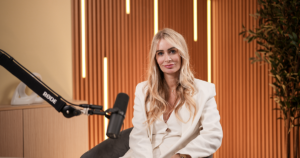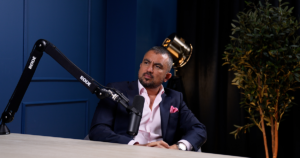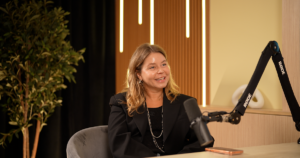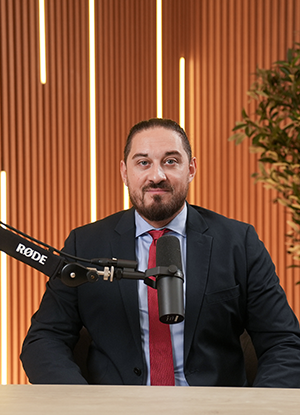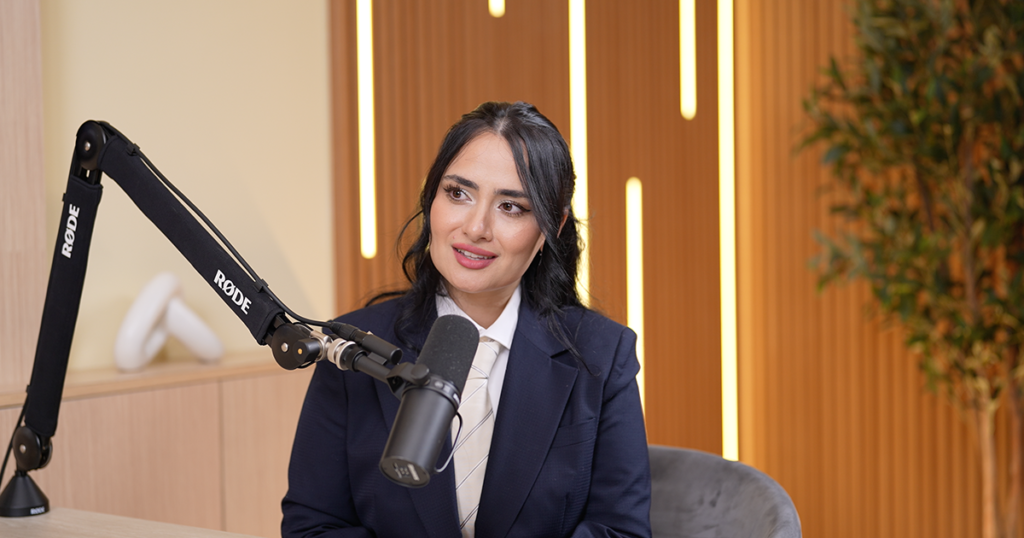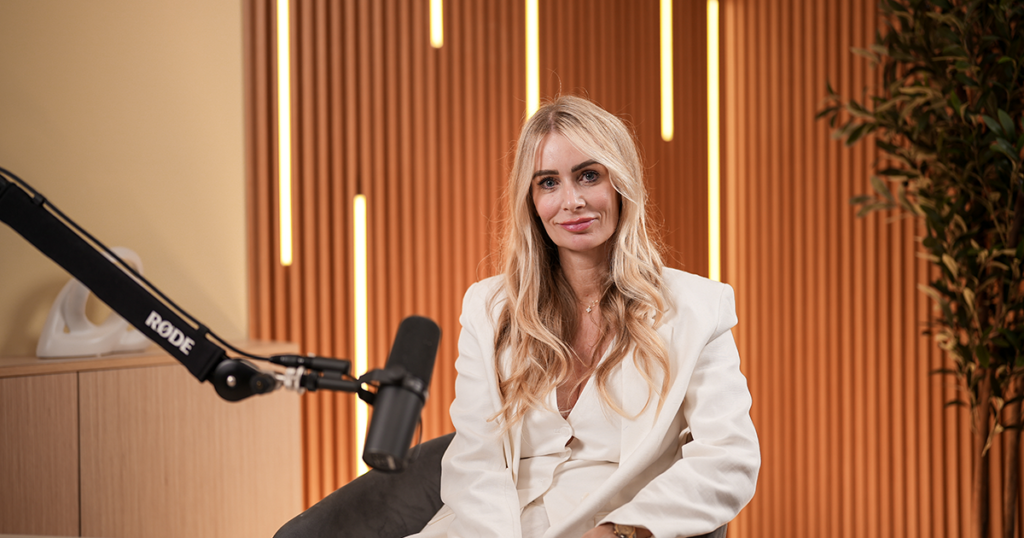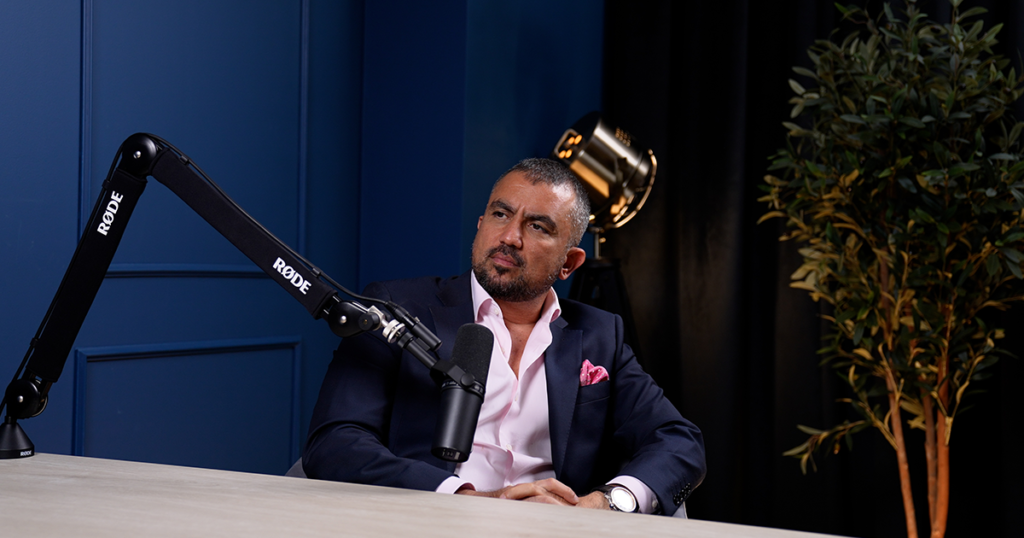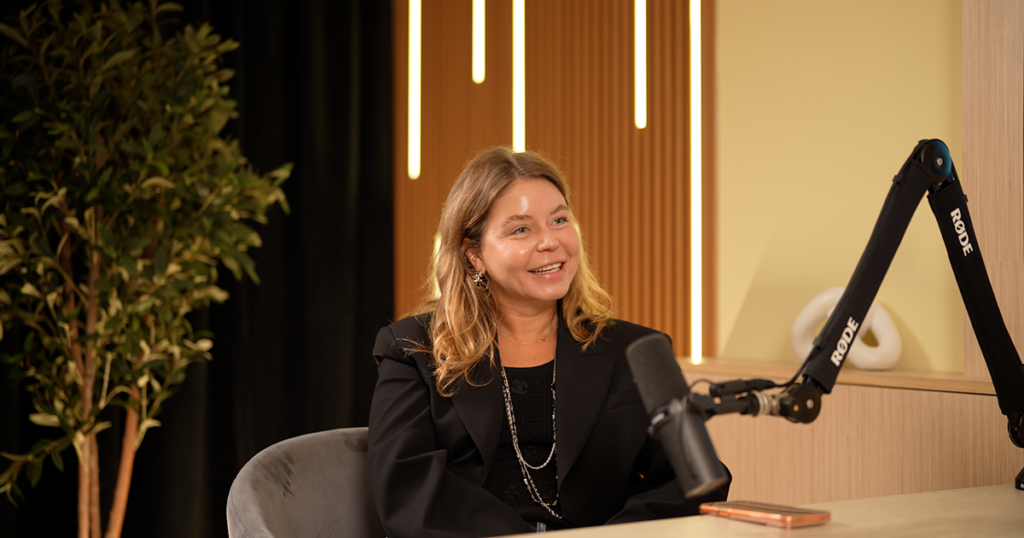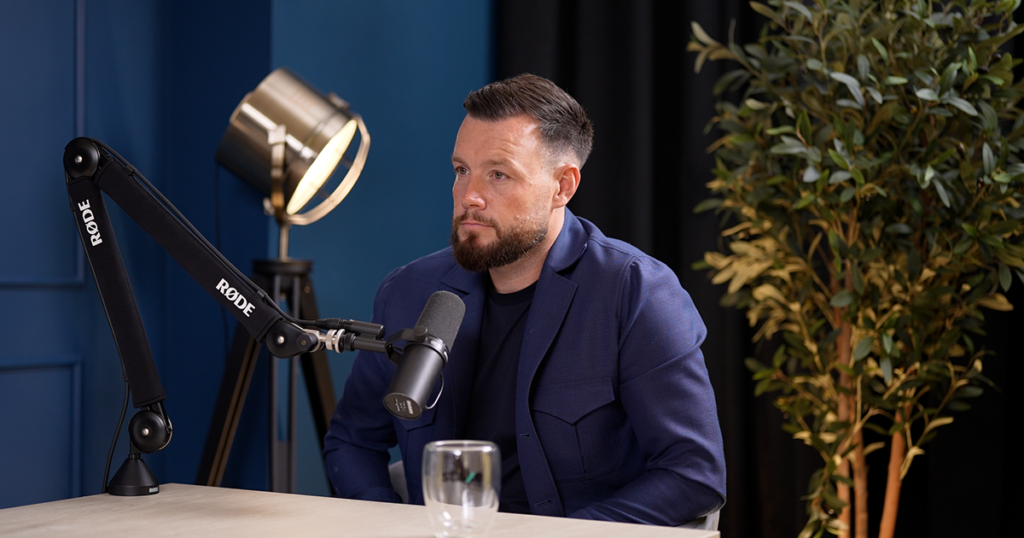
Video is no longer optional for podcasters who want to grow. Platforms like YouTube and Spotify now prioritize video podcasts in recommendations, short-form clips from video episodes drive the majority of new listener discovery, and audiences increasingly expect to see the people they’re listening to. Audio-only podcasts still work, but in 2026, video is where most of the growth is happening.
The Shift That Changed Everything
For years, podcasting was defined by audio a show recorded in a closet with a decent microphone could compete with professionally produced content, because sound quality was the only variable that mattered. That’s changed. YouTube has become one of the largest podcast listening platforms in the world, Spotify actively promotes video episodes over audio-only ones in its app, and short-form platforms like Instagram Reels and TikTok have turned podcast clips into a primary discovery channel for new shows. A podcast without video is now competing with one hand tied behind its back.
Why Video Drives Growth in Ways Audio Can’t
1. Clippability
A great audio moment is hard to share. A great video moment a reaction, a facial expression, a visual cue gets clipped, posted, and shared across social platforms in seconds. Most of the audience that discovers a podcast today does so through a short video clip, not by browsing a podcast app directly.
2. Platform Algorithms Favor Video
YouTube’s recommendation engine, Spotify’s video-first push, and social algorithms all weight video content more heavily than audio-only uploads. Podcasters producing video alongside audio are simply given more opportunities to be discovered by each platform’s algorithm.
3. Trust and Connection
Seeing a host’s face, body language, and reactions builds a level of trust and connection that audio alone doesn’t replicate as quickly. For business podcasts, coaching shows, or personal brand content, this matters enormously audiences buy from and follow people they feel they know, and video accelerates that feeling.
4. Guest Appeal
Guests are more willing to appear on a podcast that will produce polished video content, since it gives them shareable assets for their own audience too. A video-equipped studio makes booking higher-profile guests easier.
Why 4K Specifically Matters
Recording in 4K isn’t about vanity resolution it’s about flexibility and future-proofing:
- Reframing and cropping. 4K footage can be cropped into vertical formats for Reels and Shorts without losing quality, since there’s more resolution to work with than the final 1080p output requires.
- Multi-camera flexibility. Editors can punch in on a reaction shot or reframe a wide shot into a close-up during editing, adding visual variety without needing multiple takes.
- Longevity. As screens and platforms continue moving toward higher resolution standards, content recorded in 4K stays usable and sharp for longer than content recorded in lower resolutions.
- Professional perception. Crisp, well-lit 4K video signals production quality instantly, which matters when a viewer is deciding in the first few seconds whether to keep watching.
What Good Video Podcasting Actually Requires
Video podcasting done well involves more than just pointing a camera at a microphone. It typically includes:
- Multiple camera angles to keep the visual energy alive during longer conversations
- Proper lighting so hosts and guests look natural rather than washed out or shadowed
- A clean, branded backdrop that reinforces the show’s identity
- Sound-treated space — video quality means nothing if the audio underneath it is poor
- An operator or director managing camera cuts and framing during the session, rather than a single static shot for the full episode
The Cost of Skipping Video
Podcasters who stick to audio-only aren’t necessarily making a bad show they’re just limiting their own growth ceiling. Without video, there’s no YouTube presence, no short-form clip strategy, and a much smaller pool of shareable content per episode. In a market like the UAE, where visual content and personal branding carry significant weight across LinkedIn, Instagram, and YouTube, audio-only podcasting leaves substantial growth on the table.
A Realistic Starting Point
Podcasters don’t need to build a full TV studio to start with video. A well-equipped podcast studio with multi-camera 4K setups, proper lighting, and an operator handles the technical complexity, letting hosts focus on the conversation rather than managing gear. This is often more cost-effective than buying and maintaining equipment for occasional recording, especially for shows still finding their rhythm and audience.
FAQ
Do I need to switch to video if my podcast is already doing well as audio-only? Not necessarily, but adding video even starting with a simple setup typically opens up new discovery channels without requiring you to change your existing format or content.
Is 4K overkill for a podcast that will mostly be watched at 1080p on YouTube? No recording in 4K gives editors room to crop, reframe, and create vertical clips without quality loss, which is valuable even if the primary output is 1080p.
Does video podcasting cost significantly more than audio-only? It requires more equipment and space than audio alone, but booking a studio already set up for video (cameras, lighting, editing support) is usually far more affordable than building that setup independently.
In 2026, video isn’t a nice-to-have addition to a podcast it’s a core part of how shows get discovered, shared, and grown. Podcasters serious about building an audience should treat video production with the same care as audio quality, not as an afterthought.
Ready to record in 4K with multi-camera setup and full editing support? Gulf Podcast Studios in Business Bay is built for video-first podcast production.