Podcasting has become one of the most powerful ways to share ideas, stories and knowledge with the world. From business leaders and educators to entertainers and hobbyists, everyone is joining the podcasting movement. If you’ve ever thought about launching your own show but didn’t know where to start, this guide will take you through every step of how to start a podcast, along with a look into the exciting future of this growing industry.
Define Your Podcast Purpose and Audience
Every successful podcast begins with a clear goal. Before hitting the record button, ask yourself why you want to start a podcast. Is it to educate, inspire, entertain or promote your business? Defining your purpose will shape the direction of your content.
Next, identify your target audience. Who are you speaking to? Understanding your listeners’ interests, age group and challenges helps you create episodes that truly connect. Remember, great podcasts don’t talk to everyone they speak directly to the right people.
Choose a Unique Podcast Topic and Name
Your topic should be something you’re passionate about and knowledgeable in. The best podcasts blend expertise with enthusiasm. Whether it’s tech trends, lifestyle advice, business tips, or storytelling, focus on a niche that’s meaningful to you.
Then, choose a name that’s catchy, clear, and relevant to your subject. It should be easy to remember and searchable. Avoid overly long or complex titles simplicity always performs better in search engines.
Plan Your Podcast Format and Structure
A podcast’s format is what keeps listeners coming back. Decide if your podcast will feature interviews, solo episodes, storytelling or panel discussions. Think about episode length most successful shows run between 20 and 40 minutes.
Create a basic script or outline for each episode. A clear structure keeps your conversations engaging and focused. Plan sections like introductions, key discussion points and closing remarks to maintain a professional flow.
Set Up Your Recording Equipment
You don’t need expensive gear to start but good audio quality is essential. Here’s what you’ll need to begin:
- Microphone: A USB or XLR microphone (like the Blue Yeti or Audio-Technica ATR2100x) works great.
- Headphones: Use closed-back headphones to avoid sound leaks.
- Recording Software: Free tools like Audacity or paid platforms like Adobe Audition offer excellent recording features.
- Pop Filter: This small accessory removes harsh “p” and “s” sounds for cleaner audio.
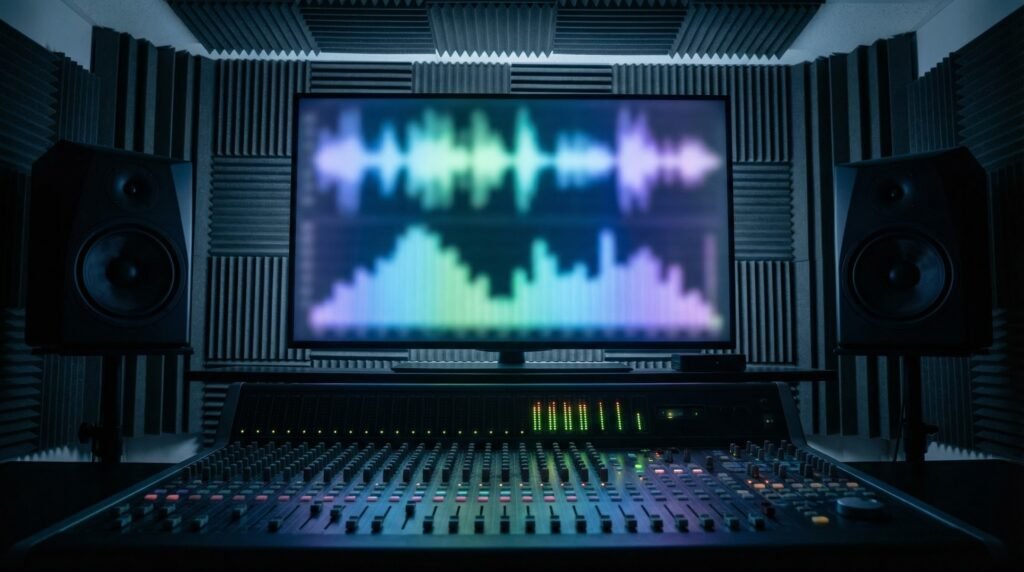
Recording in a quiet space also makes a huge difference. Avoid echo-prone rooms and background noise for a professional sound.
Record and Edit Your Episodes
Once your setup is ready, it’s time to record your first episode. Keep your tone natural and conversational imagine you’re talking directly to one listener. Mistakes happen; that’s what editing is for.
Editing software like Audacity, GarageBand or Reaper allows you to trim silence, remove errors and add background music or intros. Clear, polished audio builds trust and professionalism, which is vital for attracting and retaining listeners.
Choose a Hosting Platform and Publish
After editing, you’ll need a podcast hosting platform to upload and distribute your episodes. Popular hosts include Spotify for Podcasters, Buzzsprout, Podbean and Anchor. These services generate an RSS feed, which automatically uploads your podcast to platforms like Spotify, Apple Podcasts and Google Podcasts.
Write engaging show notes and episode descriptions with relevant keywords. This improves your podcast’s discoverability in search engines and podcast directories.
Promote Your Podcast
Creating your podcast is just the beginning now you need to grow your audience. Use social media platforms like Instagram, YouTube, and LinkedIn to share clips, quotes or behind-the scenes content.
Encourage listeners to subscribe, leave reviews and share your episodes. Collaborating with other podcasters or featuring guest speakers also helps you reach new audiences and build credibility.
Monetize Your Podcast
Once you’ve built a steady listener base, there are several ways to monetize your podcast:
- Sponsorships and Ads: Partner with brands that align with your content.
- Memberships and Subscriptions: Offer exclusive content to paying supporters.
- Affiliate Marketing: Promote products you genuinely use and earn commissions.
- Courses and Merchandise: Sell educational material or branded items.
Consistency and authenticity are the keys to long-term monetization success.
The Future of Podcasting
The podcasting industry is entering an exciting era. As of 2025, global listenership has surpassed half a billion people and it’s still growing. With the rise of smart speakers, in-car audio and AI-powered tools, podcasts are becoming more accessible than ever.
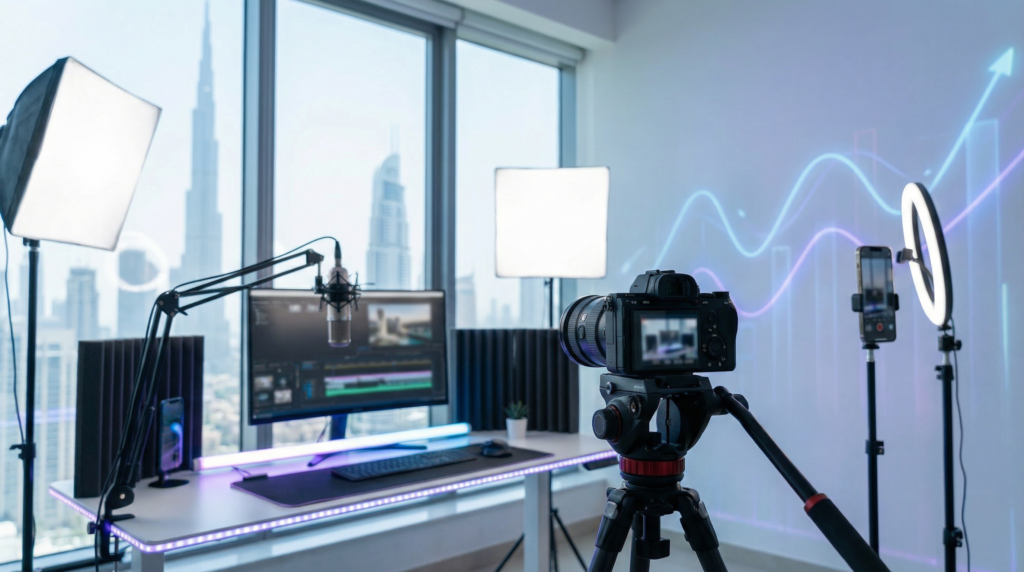
In Dubai and across the Middle East, podcasting is emerging as a powerful platform for education, entrepreneurship, and storytelling. Studios like Gulf Podcast Studios are offering professional spaces and equipment, making it easier for creators to produce high quality content.
In the near future, we can expect interactive podcasts, AI assisted editing, and personalized recommendations to redefine the listener experience. Brands are also investing more in branded podcasts to connect with customers through authentic conversations.
Why Now Is the Best Time to Start a Podcast
If you’ve been waiting for the perfect time to launch your podcast, it’s now. The demand for original, engaging audio content continues to rise. Podcasts allow you to build authority, grow your personal brand, and connect with audiences across the world all from the comfort of your home or studio.
With accessible tools, affordable recording options, and supportive podcasting communities, there’s never been a better opportunity to share your voice and ideas with the world.
Conclusion
Starting a podcast might seem challenging at first, but with the right plan and passion, it’s one of the most rewarding creative ventures you can pursue. From defining your purpose to recording your first episode and building your audience, every step brings you closer to establishing your unique voice in the digital space.
As technology evolves and audiences grow, podcasting will continue to shape the future of communication and storytelling. So, take the first step your story deserves to be heard.